
Your Next Customer Won't Google You. They'll Ask AI.
More people are skipping the search results and asking ChatGPT, Gemini and Google's AI answers who to buy from. Here's what that means for your business, and the five things we're doing about it for our clients.
By Peter Meehan
Something has changed in how people find businesses. And most small businesses haven't noticed yet.
A year or two ago, if someone needed a roofer, an accountant or a marketing agency, they typed a few words into Google. They scrolled. They clicked three or four websites. They compared.
Now a growing number of people do something different. They open ChatGPT, Gemini or Perplexity and ask a full question. "Who's the best kitchen fitter in Belfast for a mid-range budget?" "What accounting software should a five-person company use?" "Which agency can run Meta Ads and build our website?"
And they get an answer. A short list. Sometimes one name.
Google is doing the same thing. Its AI answers now sit above the normal results for a lot of searches. The customer reads the summary, and often never scrolls down to the websites underneath.
This is the trend everyone in marketing is talking about right now. Some call it AI search. Some call it GEO, short for generative engine optimisation. The name doesn't matter. What matters is the question behind it:
“When a customer asks AI who to buy from, does your business come up?”
Why this matters more than it looks
The old rules of search were simple. Rank on page one, get the click, win the customer.
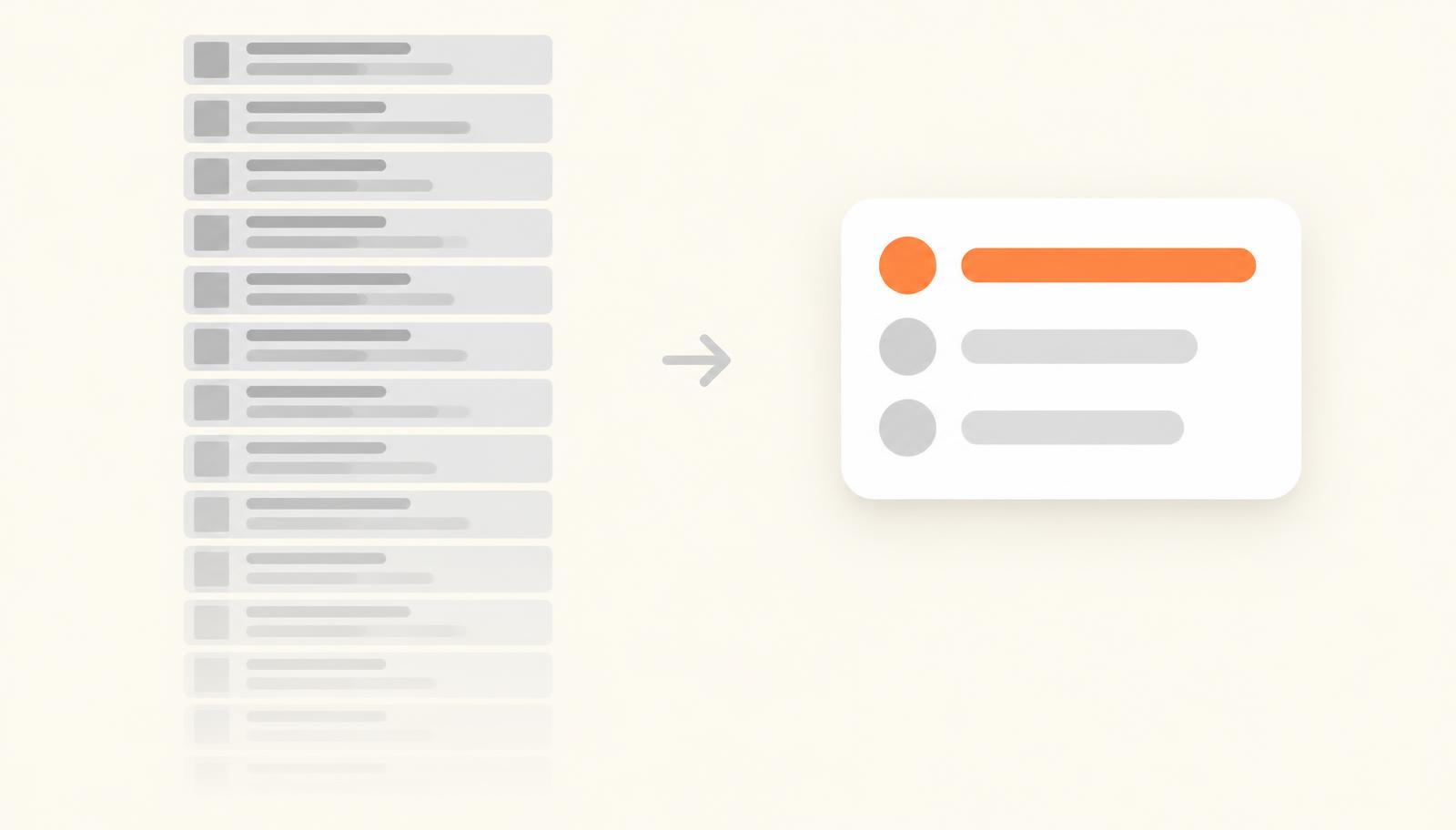
AI search changes that in three ways.
1. Fewer clicks. If the AI answers the question, the customer doesn't need to visit your website. You can be "ranking" and still get less traffic than before.
2. Shorter lists. Page one of Google had ten results plus ads. An AI answer might name three businesses. Or one. If you're not in that small group, you're invisible.
3. Better-qualified buyers. The flip side is good news. Someone who asks a detailed question and gets your name back is often ready to buy. They've already done the comparing. The AI did it for them.
So the traffic might be lower. But the traffic you do get can be worth a lot more.
How AI decides who to recommend
Nobody outside these companies knows the exact formula. But after a lot of testing with our own clients, the pattern is clear. AI tools lean on the same things a sensible person would.
What you say about yourself. Your website. Is it clear what you do, who you do it for, and where?
What others say about you. Reviews, directory listings, local news, industry sites, forum mentions. The more places that describe you the same way, the more confident the AI is.
Whether your information is consistent. If your name, address, services and prices differ across the web, the AI gets confused. Confused AI doesn't recommend you.
Whether you answer real questions. AI tools are built to answer questions. Businesses whose websites answer the questions customers actually ask are much easier to quote.
None of that is magic. It's good marketing, done properly and done consistently.
Five things we're doing for clients right now
Here's the practical part. These are the steps we're taking with clients, and you can start on most of them this week.
1. Make your website say it plainly
A lot of websites are written to sound impressive. "Delivering innovative solutions for tomorrow's challenges." Nobody knows what that means. Neither does the AI.
Say it plainly. "We fit kitchens in Belfast and County Down. Most jobs are between £8,000 and £20,000. We take four to six weeks from design to finish."
Every service should have its own page. Each page should say what it is, who it's for, where you cover, and roughly what it costs. If you'd tell a customer on the phone, it belongs on the website.
2. Answer the questions customers really ask
Think about the last ten enquiries you got. What did people ask before they bought?
"How long does it take?" "Do you work with small businesses?" "What happens if I'm not happy?"
Put those questions on your website, word for word, with straight answers. A good FAQ section used to be a nice extra. Now it's one of the most useful things on your site, because it matches the way people talk to AI.
3. Get your reviews moving
Reviews have always mattered. They matter more now. AI tools read them, and they pick up what people say about you, not just the star rating.
A review that says "Great service" helps a little. A review that says "They rebuilt our website and our enquiries doubled in three months" helps a lot. It tells the AI what you do and that you're good at it.
So ask for reviews after every good job. Make it easy with a direct link. And don't be shy about asking customers to mention what you did for them.
4. Clean up your listings everywhere
Search your business name. Check Google Business Profile, Bing, Apple Maps, Facebook, LinkedIn, Yell and any industry directories.
Is the name the same everywhere? The address? The phone number? The list of services? Old details from three years ago are more common than you'd think. Every mismatch chips away at the AI's confidence in you.
This is boring work. It's also some of the highest-value work you can do for an afternoon.
5. Get talked about in the right places
AI tools trust businesses that other trusted sources mention. That means local press, industry blogs, podcasts, partner websites and business awards.
You don't need a big PR budget. Write a useful guest article. Sponsor a local club. Get listed on your suppliers' websites. Speak at an event. Each mention is another signal that you're real, established and worth recommending.
Test it yourself
Here's a five-minute exercise. Open ChatGPT, Gemini or Perplexity and ask the question your ideal customer would ask. Be specific. Include your area and the type of job.
Ask yourself: Do you come up? Do your competitors? Is what the AI says about you actually right?
Try it with a few different questions. Write down what you find. For most businesses, the first test is an eye-opener. Sometimes you're not mentioned at all. Sometimes you are, but with an old address or a service you stopped offering years ago.
Either way, you now know where you stand. And you can re-run the same questions every month to see if things are improving.
Does this mean SEO is dead?
No. And be wary of anyone who tells you it is.
Google still sends a huge amount of traffic. Paid ads still work. Most of what helps you show up in AI answers is the same thing that helps you rank in normal search: a clear website, useful content, good reviews and a solid reputation.
What's changed is the standard. Vague websites and thin content used to get by. They won't for much longer. The businesses that explain themselves clearly, and that other people talk about, are the ones AI will recommend.
The bottom line
AI search isn't a future trend. It's happening now, and it's growing every month. The good news is that the fix isn't complicated. It's clear information, real reviews and a consistent presence across the web.
Start with the five-minute test. If you don't like what you see, that's where we come in. We'll run the same checks across your business, show you exactly where the gaps are, and give you a plan to close them.
Book a free discovery call and we'll go through it together.
Want a strategy built around your numbers?
Book a free discovery call and we'll map out where your marketing is leaking — and how to fix it.
Book A Call